South Korea Packing List
My packing list from multiple visits to Korea's vibrant cities and serene countryside— shaped by what I've learned about its seasons, cultural norms, and practical essentials.
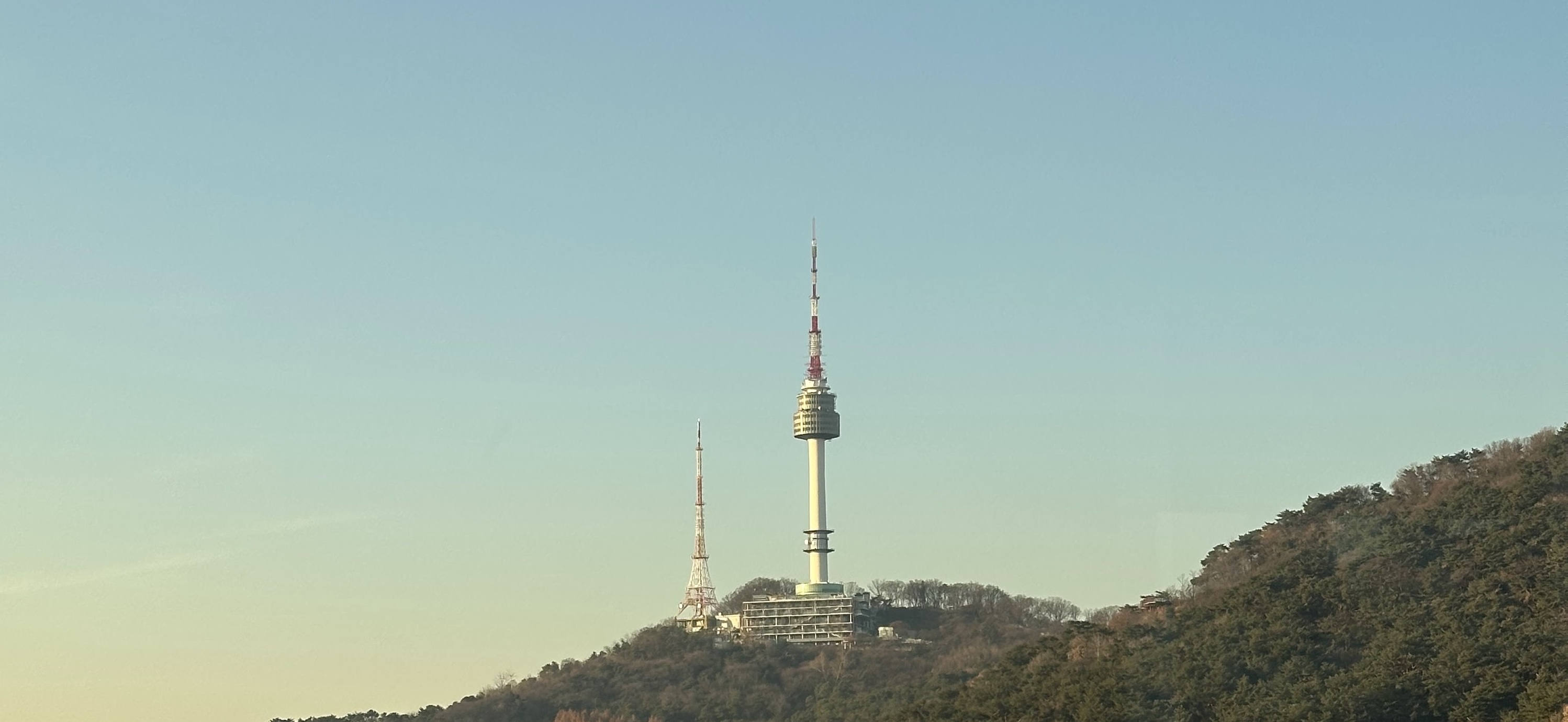
My packing list from multiple visits to Korea's vibrant cities and serene countryside— shaped by what I've learned about its seasons, cultural norms, and practical essentials.
What I've learned about packing for each season
March — May
Cherry blossoms paint the streets in soft pinks. The air is gentle, occasionally unpredictable.
Light layers, breathable fabrics, a lightweight scarf for breezy evenings.
June — August
Humid days melt into monsoon rains. The city glistens, air thick with summer energy.
Breathable linens, an umbrella always, moisture-wicking essentials.
September — November
Crisp air, amber leaves, and Korea's most coveted season. Pure magic unfolds.
Strategic layers, a favorite sweater, boots for temple trails.
December — February
Sharp cold cuts through the city. Snow dusts palaces. Cozy cafes beckon warmly.
Heavy coat, thermals beneath, hand warmers, lip balm at all times.
Korea's seasons are distinct and dramatic — pack accordingly for your visit
Pro tip: Stock up on K-beauty products there - they're amazing and affordable!
Important: Korea uses 220V electricity. Hair tools from 110V countries (US, Canada) won't work without a voltage converter — and adapters alone won't fix it! Voltage converters are heavy-duty, high-wattage devices (often 1500W+) that can be bulky and affect performance.
Korean pharmacies are incredible! Over-the-counter access to many medications that need prescriptions elsewhere. Think pain relief patches, allergy meds, even some antibiotics. Every neighborhood has one!
Save space! These are easy to find (and often better) in Korea:
Download these before you arrive:
If your itinerary includes coastal days, windy viewpoints, or island trails, these extras make a big difference.